Quick Definition
Hydrogen fuel cell aviation is an emerging aircraft propulsion approach where hydrogen is converted directly into electricity through an electrochemical reaction instead of being burned as fuel. The electricity powers electric motors that generate thrust, while water and heat are the only direct byproducts. This technology is being explored as a cleaner alternative for reducing aviation's carbon footprint.
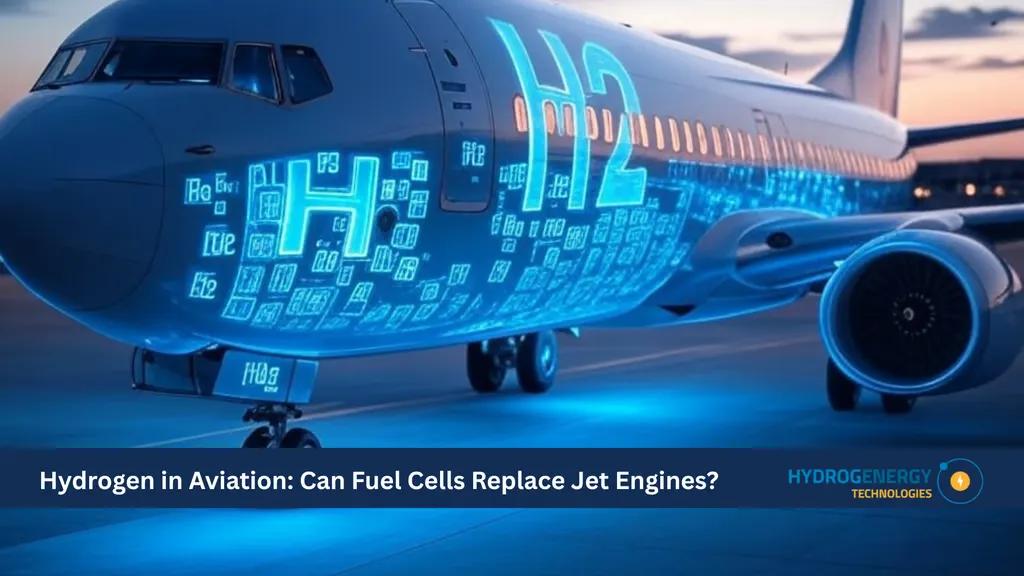
The aviation industry is responsible for approximately 2–3% of global carbon dioxide emissions. As the sector seeks sustainable alternatives to fossil fuels, hydrogen has emerged as a promising candidate. Among hydrogen-based technologies, fuel cells offer a pathway to zero-emission flight, particularly for short- and medium-haul routes. This article delves into the technical aspects of hydrogen fuel cells in aviation, supported by recent case studies and industry developments.
Fundamentals of Hydrogen Fuel Cells in Aviation
Hydrogen fuel cells generate electricity through an electrochemical reaction between hydrogen and oxygen, producing only water vapor as a byproduct. In aviation applications, this electricity powers electric motors that drive the aircraft's propellers or fans. The primary types of fuel cells considered for aviation are Proton Exchange Membrane (PEM) fuel cells, known for their high-power density and quick start-up times, making them suitable for aircraft propulsion systems.
Case Studies
ZeroAvia's Dornier 228 Test Flights
ZeroAvia has been at the forefront of hydrogen-electric aviation. On January 19, 2023, the company conducted a successful 10-minute test flight of a modified Dornier 228 aircraft, powered by its ZA600 hydrogen-electric powertrain. This 19-seat aircraft utilized a combination of hydrogen fuel cells and lithium-ion batteries to power one of its two engines, marking a significant milestone in zero-emission aviation.
Airbus ZEROe Program
Airbus has unveiled its ZEROe program, aiming to develop the world's first zero-emission commercial aircraft by 2035. The program explores multiple concepts, including a turboprop design powered by hydrogen fuel cells. In late 2023, Airbus successfully powered on its hydrogen fuel cell engine, achieving a power output of 1.2 megawatts. This milestone is part of Airbus's broader strategy to integrate hydrogen propulsion into future aircraft designs.
H2FLY's HY4 Aircraft
H2FLY, a German company, has developed the HY4, a four-seat aircraft powered by hydrogen fuel cells. In September 2023, the HY4 completed the world's first piloted flight of a liquid hydrogen-powered electric aircraft, lasting over three hours. This achievement demonstrates the viability of hydrogen fuel cells for smaller, regional aircraft.
Technical Challenges
Hydrogen Storage
Hydrogen's low volumetric energy density necessitates storage at high pressures (350-700 bar) or in liquid form at cryogenic temperatures (-253°C). Both methods present challenges in terms of weight, insulation, and integration into aircraft structures. Airbus is developing innovative cryogenic tanks to address these issues.
Fuel Cell Efficiency and Power Density
While fuel cells offer high efficiency, their power density must be sufficient for aviation applications. Advancements in fuel cell technology are required to meet the power demands of larger aircraft without compromising weight and space constraints.
Infrastructure and Refueling
Establishing a global hydrogen refueling infrastructure poses logistical and economic challenges. Airports would need to invest in hydrogen production, storage, and distribution systems to support hydrogen-powered aircraft operations.
Comparative Analysis: Fuel Cells vs. Jet Engines
Comparative Analysis: Fuel Cells vs. Jet Engines
| Factor | Jet Engines | Hydrogen Fuel Cells |
|---|---|---|
| Propulsion method | Direct combustion of fossil fuel | Electrochemical reaction generates electricity, powering electric motors |
| Emissions | CO2 and other pollutants | Only water vapor |
| Power density | Higher, proven at long-haul scale | Lower currently, improving |
| Best suited for | Long-haul routes today | Short- to medium-haul routes at present |
| Key limiting factor | None at current scale | Hydrogen storage weight and fuel cell power density |
| Maturity | Fully mature, decades of commercial operation | Emerging, moving from test flights toward certification |
Jet engines burn fossil fuel directly to produce thrust, emitting CO2 and other pollutants, while hydrogen fuel cells convert hydrogen into electricity to power electric motors, emitting only water vapor. Jet engines currently offer higher power density and are proven at long-haul scale, while fuel cells are best suited for short- to medium-haul routes at present, with power density and hydrogen storage remaining the key technical constraints to scaling up. Testing and validating fuel cell performance under these constraints typically relies on the same kind of fuel cell test station equipment used across other high-reliability hydrogen applications.
Future Outlook
Hydrogen fuel cells hold significant promise for decarbonizing short- to medium-haul aviation. Continued advancements in fuel cell technology, hydrogen storage solutions, and infrastructure development are critical to realizing this potential. Collaborations between aerospace companies, governments, and research institutions will play a pivotal role in overcoming existing challenges and accelerating the adoption of hydrogen-powered flight.
Hydrogen fuel cells represent a transformative opportunity for sustainable aviation. While technical and infrastructural hurdles remain, ongoing research and successful test flights underscore the feasibility of this technology. As the industry progresses toward greener alternatives, hydrogen fuel cells are poised to play a central role in the future of aviation.
Need help with your hydrogen project?
Our engineers respond within 24 hours with a recommendation.

Hydrogenergy Applications Engineering Team
Applications Engineering · Hydrogenergy Technologies
Hydrogenergy's applications engineering team designs and supplies hydrogen systems for research labs and industry across India — from components to complete commissioned setups.