Product Types
What are MEA & Hydrogen System Materials?
The components inside every stack.
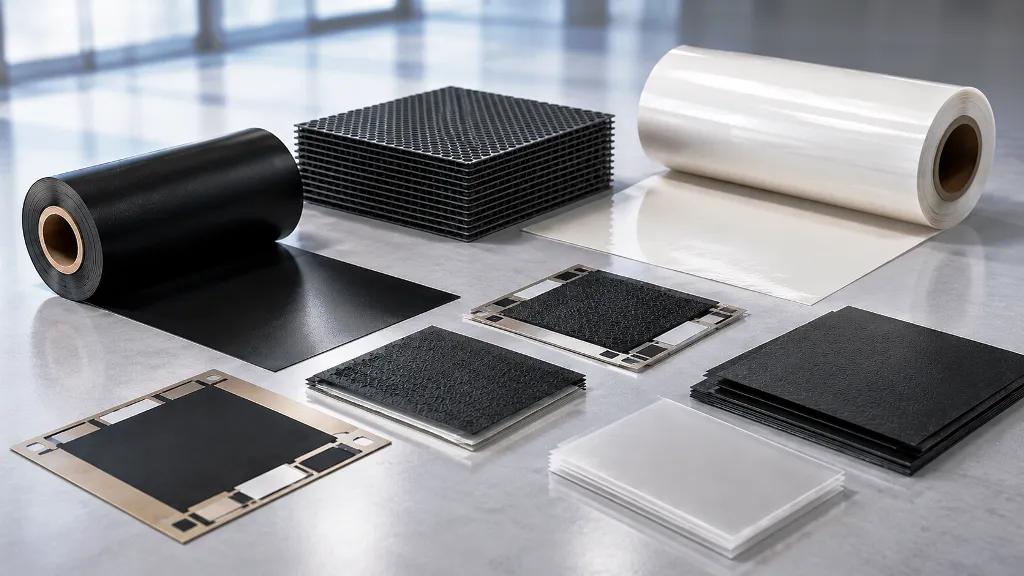
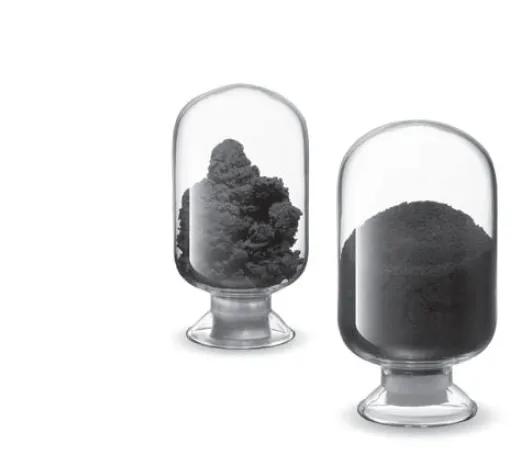
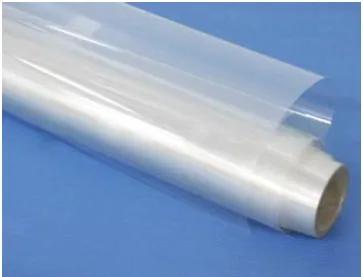
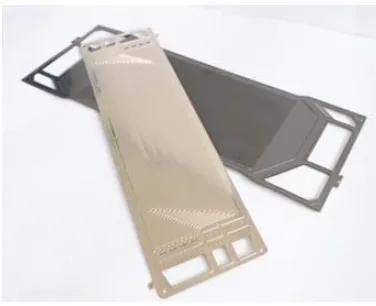
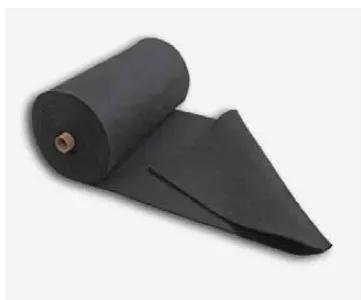
The performance of a PEM fuel cell or electrolyzer stack is determined by the quality and specification of the electrochemical components assembled within it. At the core of every stack is the membrane electrode assembly (MEA) — a precisely engineered multilayer structure that is the site of all electrochemical activity. Around the MEA, gas diffusion layers manage reactant distribution and water transport, catalyst coated membranes define the electrochemical active area, and bipolar plates distribute gases, conduct current and manage heat across the stack.
These materials are not commodity components. Each has a defined specification — membrane thickness, catalyst loading, ionomer content, porosity, electrical conductivity, corrosion resistance — that directly determines stack efficiency, power density, durability and operating lifetime. For stack developers, OEMs and research groups characterising new cell designs, access to well-specified, consistent electrochemical materials from a reliable supply source is as important as the test equipment used to evaluate them.
MEA and stack materials are consumed in the normal course of stack operation and must be replaced when performance degrades below acceptable limits. They are also required in quantity during stack development and manufacturing scale-up, where multiple design iterations are evaluated before a final specification is fixed. Hydrogenergy supplies MEAs, GDLs, CCMs and bipolar plates for PEM fuel cell and electrolyzer applications — with full material specifications and technical support for stack integration and performance optimisation.